
Jun 26, 2026
How to Choose Wind-Resistant Industrial Doors (Up to Level 8)
Introduction For facilities located in coastal areas, open plains, or regions prone to high winds, industrial doors face a challenge that goes far beyond daily wear and tear. Wind pressure. It’s the s
Introduction
For facilities located in coastal areas, open plains, or regions prone to high winds, industrial doors face a challenge that goes far beyond daily wear and tear.
Wind pressure.
It’s the silent enemy that destroys more doors than usage does. A door that performs perfectly in calm conditions can fail catastrophically when subjected to sustained wind loads or sudden pressure changes.
In this article, we’ll explore:
• Why wind resistance matters for industrial doors
• What “Level 8” wind resistance actually means
• Key features to look for when choosing a wind-resistant door
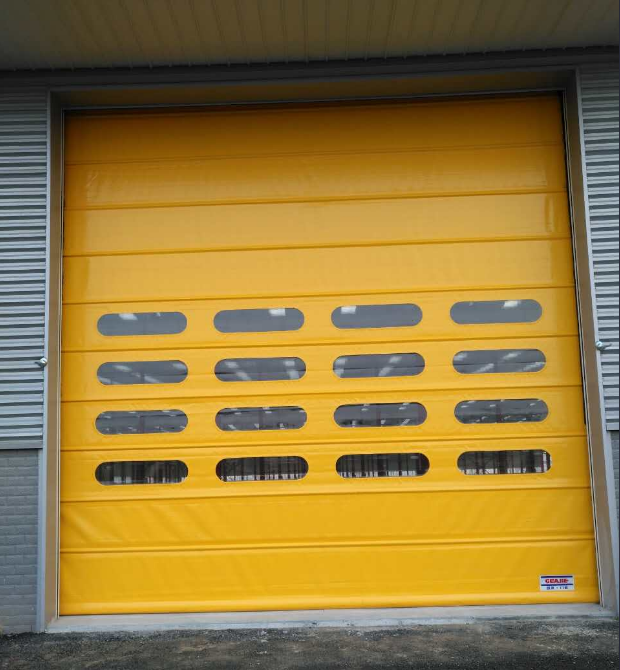
• How GEAJIE accumulation doors meet and exceed these standards
Why Wind Resistance Matters
If your facility is in a high-wind region — whether coastal, mountainous, or open plain — wind resistance isn’t a luxury. It’s a necessity.
The risks of weak doors:
Risk
Impact
Deformation
Panels warp, guides bend, curtains tear — leading to costly repairs or full replacement
Frequent breakdowns
Doors that fail repeatedly increase maintenance costs and downtime
Safety hazards
Sudden door failure can cause injuries, falling components, or unsecured openings
Operational disruption
A failed door leaves your facility exposed to elements, interrupting workflow
Inventory damage
Wind-driven rain, dust, and debris can damage sensitive products
And in the worst-case scenario — a storm that compromises your door — you’re left with a wide-open entry point at the exact moment you need protection most.
Understanding Wind Resistance Levels
Wind resistance for industrial doors is typically measured by wind load capacity, often expressed in levels (e.g., Level 5, Level 8) or pressure ratings (Pascal or PSF).
What Does “Level 8” Mean?
In many industrial door standards, Level 8 represents the highest tier of wind resistance — suitable for facilities in extreme wind zones.
Wind Resistance Level
Typical Application
Approximate Wind Speed
Level 3–4
Sheltered areas, low wind exposure
Up to 70 km/h
Level 5–6
Moderate wind zones, standard facilities
70–100 km/h
Level 7
High-wind areas, coastal regions
100–130 km/h
Level 8
Extreme wind zones, hurricane-prone areas
130+ km/h
For facilities in coastal regions, open plains, or areas with seasonal storms, Level 8 wind resistance is often the minimum requirement to ensure reliable operation and safety.
Key Features of Wind-Resistant Industrial Doors
Not all industrial doors are created equal when it comes to wind resistance. Here are the critical features to look for:
✅ 1. Reinforced Construction
Wind-resistant doors are built with stronger materials and structural reinforcements. Look for:
• Reinforced guide systems that prevent derailment
• Heavy-duty curtain materials that resist tearing
• Sturdy bottom bars that maintain contact with the floor
✅ 2. Robust Guide Systems
The guides (or tracks) are the backbone of any industrial door. In high-wind applications, they must be:
• Securely anchored to reinforced structural supports
• Designed to resist lateral forces from wind pressure
• Equipped with anti-derailment features
✅ 3. Tested Wind Load Ratings
Choose doors that have been independently tested and certified for specific wind load levels. Look for documentation that specifies:
• Maximum positive/negative wind pressure (in Pascals)
• Design pressure ratings
• Testing standards (e.g., ASTM, EN)
✅ 4. Fast Operation
Speed matters. A door that opens and closes quickly minimizes the time it’s exposed to wind pressure during cycles. High-speed accumulation doors like those from GEAJIE operate in 3–5 seconds, significantly reducing vulnerability during storms.
✅ 5. Emergency Backup Systems
In high-wind regions, power outages often accompany storms. Doors with manual override or battery backup ensure you can secure your facility even when power fails.
📊 Comparison: Standard Door vs. Wind-Resistant Door
Feature
Standard Industrial Door
GEAJIE Wind-Resistant Door
Wind resistance rating
Level 3–4 (unrated)
Up to Level 8
Guide system
Standard tracks
Reinforced, anti-derailment
Curtain material
Standard fabric
Heavy-duty, tear-resistant
Operation speed
30–60 sec
3–5 sec
Emergency backup
Optional
Available
Suitable for coastal areas
❌ No
✅ Yes
Case Study: Coastal Manufacturing Facility Protects Against Storms
Client: Manufacturing plant located 500 meters from the coast
Challenge: Existing sectional doors failed repeatedly during seasonal storms, leading to costly repairs, production delays, and safety concerns
GEAJIE Solution:
Installed 3 high-speed accumulation doors with Level 8 wind resistance rating, reinforced guides, and battery backup
Results:
Metric
Before
After
Door failures per year
8–10
0
Annual repair cost
1,800
Storm-related downtime
3–5 days/year
0 days
Facility manager confidence
Low
High
“Before GEAJIE, every storm was a crisis. We’d have crews on standby to repair doors, and we still lost production. Now, we don’t worry. The doors handle wind pressure that would have destroyed our old ones.”
— Plant Manager, Coastal Manufacturing Facility
How to Determine Your Wind Resistance Needs
Choosing the right wind resistance level starts with understanding your facility’s exposure. Consider:
📍 Location
• Are you in a coastal zone?
• Are you in an open plain with no windbreaks?
• Is your area prone to hurricanes, typhoons, or seasonal storms?
🏭 Building Characteristics
• Is the door on the windward side of the building?
• Are there large openings that create pressure differentials?
• What is the building height and surrounding terrain?
📊 Local Building Codes
Many coastal regions have specific building code requirements for doors and openings. Always check local regulations before selecting a door.
A qualified door supplier like GEAJIE can help you assess your site and recommend the appropriate wind resistance level.
When Should You Choose a Level 8 Wind-Resistant Door?
Consider Level 8 wind resistance if:
• Your facility is within 10 km of a coastline
• Your region experiences hurricanes or typhoons
• Your facility is in an open plain with no windbreaks
• Local building codes require high wind ratings
• You’ve experienced door failures during past storms
• Your operations cannot tolerate storm-related downtime
For these applications, a standard door simply isn’t enough. You need a door engineered for the environment.
Final Thoughts
Wind pressure destroys more doors than daily usage does — especially in coastal, open, or storm-prone regions. Choosing a door without adequate wind resistance isn’t just a maintenance issue; it’s a safety and operational risk.
GEAJIE wind-resistant accumulation doors are engineered to meet the highest standards — up to Level 8 — delivering:
• Reliable operation in extreme conditions
• Minimal downtime during storms
• Reduced maintenance costs
• Enhanced safety for workers and inventory
If your facility faces high winds, don’t settle for a door that might fail when you need it most. Choose a door designed for the environment — choose GEAJIE.
About GEAJIE
GEAJIE is a leading manufacturer of high-speed accumulation doors, including wind-resistant models rated up to Level 8. We serve warehouses, manufacturing plants, distribution centers, and coastal facilities worldwide.